Moist, humid environments
Warm temperatures (typical of indoor spaces)
Areas with organic material to feed on—like dust, skin cells, soap residue, or tiny bits of plant matter
Bathrooms, basements, and kitchens are common hotspots simply because they often provide the perfect combination of moisture, warmth, and microscopic food sources.
Why Did It Appear in Your Bathroom?
Slime mold doesn’t show up because your home is dirty. It appears when environmental conditions align—temporarily and often innocently.
Common triggers include:
High humidity: Steam from showers or baths creates the dampness slime mold favors
Poor ventilation: Limited airflow allows moisture to linger on surfaces
Damp surfaces: Towels, mats, or grout that stay wet too long
Organic residue: Even invisible traces of soap, skin cells, or dust can serve as food
A perfectly clean bathroom can still develop these conditions. It’s not about perfection—it’s about physics and biology doing what they naturally do.
Is It Dangerous? The Short, Reassuring Answer
In nearly all cases: No.
Slime mold is generally harmless to humans and pets. It does not:
Bite, sting, or infect
Spread disease or produce toxins
Damage surfaces the way destructive molds or mildew can
Pose any known health risk through casual contact
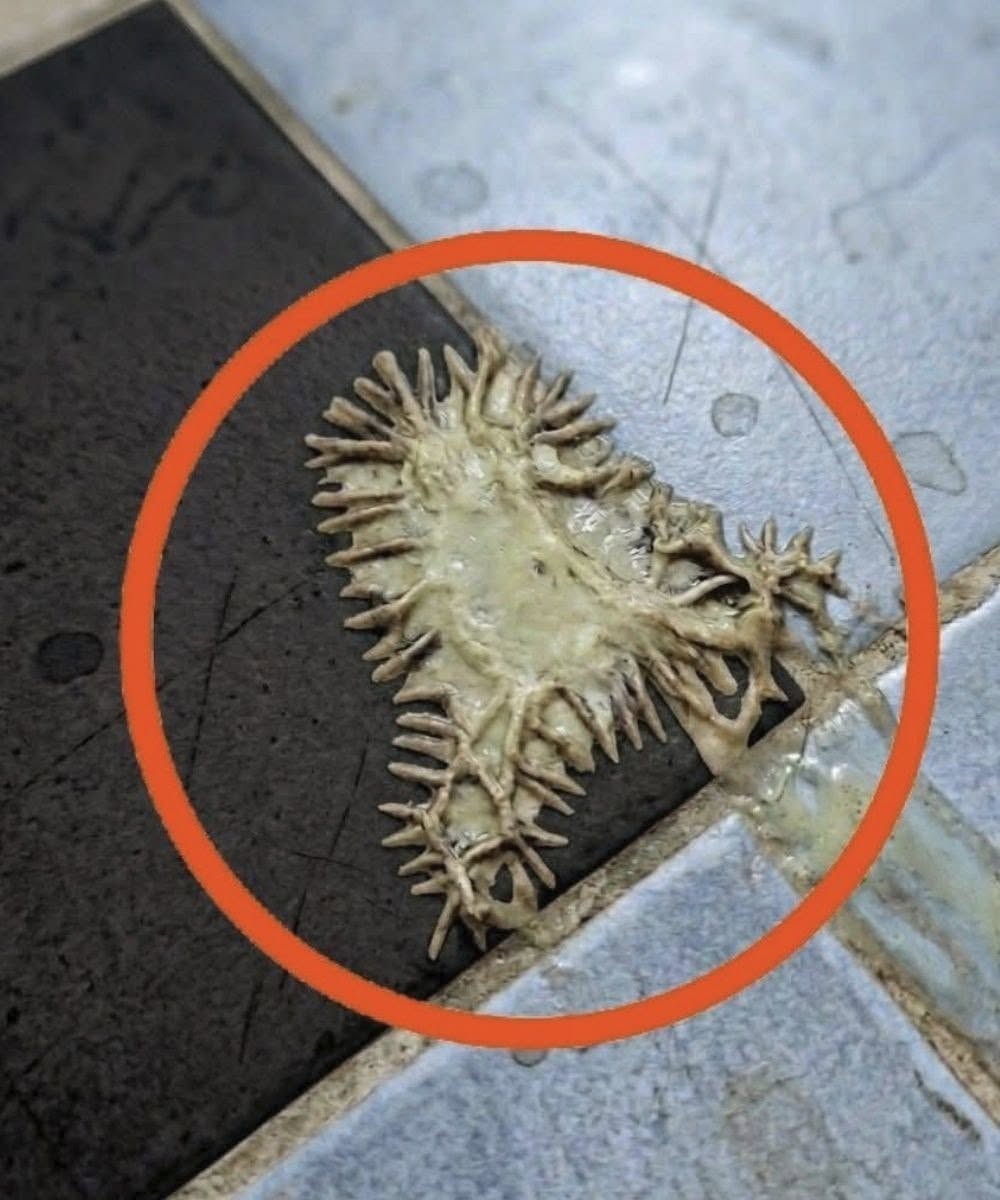
Its most notable effect is psychological: its unusual appearance—sometimes bright yellow, orange, or gray, with a gelatinous or web-like texture—can feel alarming simply because it’s unfamiliar.
What to Do If You Find It
Stay calm. Remember: this is a natural organism, not an emergency.
Remove it gently. Use a paper towel or disposable cloth to wipe it away. No harsh chemicals needed.
Clean the area. A mild soap-and-water solution is sufficient. Avoid bleach unless you’re also addressing mold or mildew.
Dry thoroughly. Wipe the surface dry and improve airflow to discourage recurrence.
Address the source. If slime mold returns frequently, consider:
Using a bathroom fan or opening a window during/after showers
Wiping down wet surfaces after use
Washing bath mats and towels regularly
Checking for hidden leaks or persistent dampness
Prevention: Simple Habits for a Drier, Happier Home
You don’t need a deep clean or expensive products. Small, consistent habits make the biggest difference:
Ventilate after bathing: Run the exhaust fan or crack a window for 15–20 minutes to reduce humidity.
Wipe down wet surfaces: A quick pass with a towel on sinks, tubs, and tiles removes the moisture slime mold needs.
Wash textiles regularly: Bath mats, shower curtains, and towels can trap moisture and organic residue—launder them weekly.
Fix leaks promptly: Even minor drips create the damp micro-environments slime mold favors.
Declutter damp zones: Keep counters, floors, and corners clear so air can circulate and surfaces can dry.