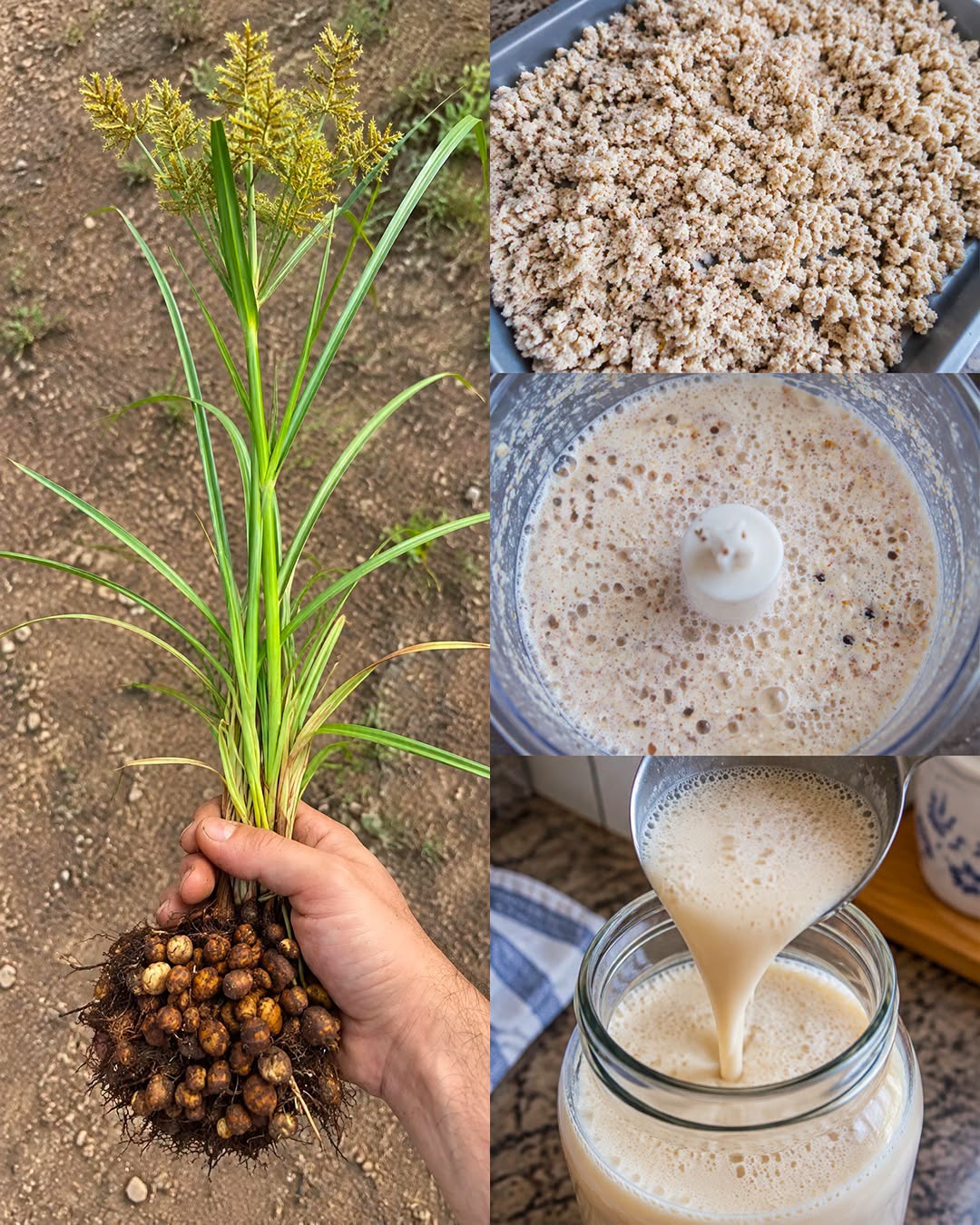
Yellow Nutsedge (Cyperus esculentus): Benefits and Uses Explained for Beginners
Yellow nutsedge (Cyperus esculentus), also called tiger nut, earth almond, or chufa, is a grass-like plant that grows from small underground tubers. While many gardeners see it as a stubborn weed, in some parts of the world it is valued as a nutritious food, a traditional remedy, and a source of oil.
The plant is native to Africa but now grows in many warm and temperate regions, often appearing in gardens, fields, and sandy soils near water. Its tubers are the most famous part because they are naturally sweet and nutty and contain fiber, fats, carbohydrates, and various micronutrients.
If you have only known yellow nutsedge as an annoying weed, learning about its traditional food and culinary uses may give you a different perspective on this hardy plant.
traditionally been used as an energy-rich food. Their nutritional composition can vary depending on growing conditions and preparation, but they generally contain:
Healthy fats, including monounsaturated fats
Dietary fiber that contributes to normal digestion
Plant-based protein
Vitamins and other micronutrients, including vitamin E
Minerals such as magnesium, phosphorus, potassium, and iron
Naturally occurring sugars and carbohydrates
Resistant starch and other complex carbohydrates
Health Benefits of Yellow Nutsedge
1. Supports Digestive Health
Tiger nuts are naturally high in dietary fiber. Including fiber-rich foods in the diet can support regular bowel movements and contribute to a healthy digestive system.
2. Contains Heart-Friendly Fats
Tiger nuts contain a significant amount of monounsaturated fat. Replacing some foods high in saturated fat with foods containing unsaturated fats can be part of an overall heart-healthy eating pattern.
3. Provides Natural Energy
The combination of carbohydrates, natural sugars, and fats makes tiger nuts an energy-dense food. They