Let me give you the numbers.
Per 100g (about 1 cup raw):
Calories: ~16
Protein: ~1.5g
Fat: ~0.4g (includes omega-3s)
Carbohydrates: ~3.4g
Fiber: ~0.5g
Vitamin A: ~26% DV (as beta-carotene)
Vitamin C: ~25% DV
Vitamin E: ~13% DV
Magnesium: ~17% DV
Potassium: ~14% DV
Iron: ~8% DV
Calcium: ~6% DV
Omega-3 fatty acids (ALA): 300-400 mg per 100g (one of the highest plant sources)
Unique compounds:
Betaxanthins and betacyanins (antioxidant pigments)
Melatonin (helps regulate sleep)
Glutathione (a master antioxidant)
Dopamine (a neurotransmitter)
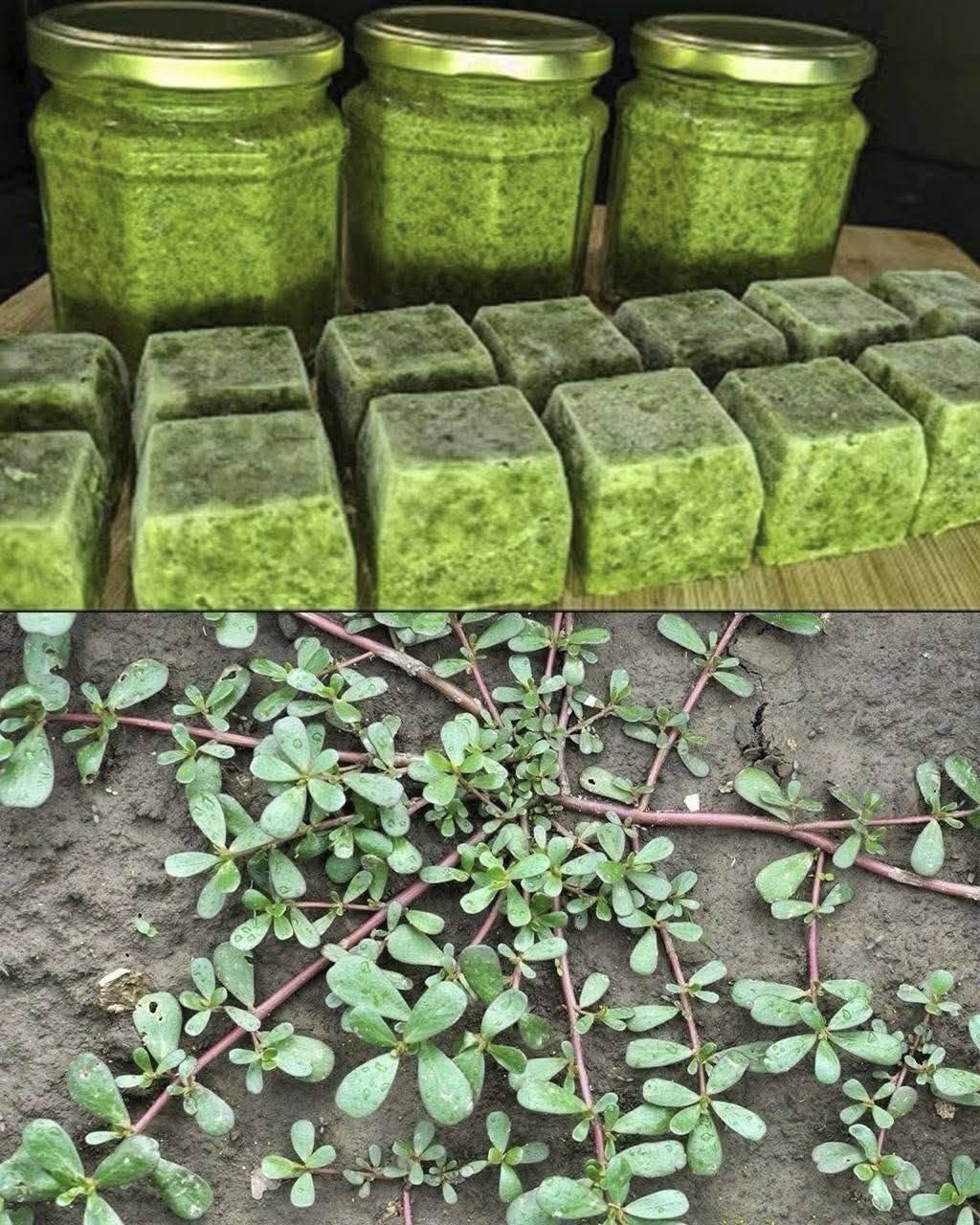
What makes purslane special: Most leafy greens are rich in vitamins and minerals. But purslane is one of the few plant sources of significant omega-3 fatty acids (ALA), and it’s unusually high in melatonin and antioxidants for a green vegetable.
What Happens to Your Body When You Eat Purslane Daily
Let me walk you through the changes you might notice, especially if you’re over 60.
1. Your Joints May Feel Better (Anti-Inflammatory Effects)
Chronic inflammation is a driver of arthritis, joint pain, and general aches and pains. As we age, inflammation tends to increase.
What the science says: Purslane is rich in omega-3 fatty acids (ALA), which have anti-inflammatory properties. Studies have shown that higher omega-3 intake is associated with reduced joint pain, stiffness, and inflammation. The antioxidants in purslane (glutathione, betalains) also combat oxidative stress, which contributes to inflammation.
What you may notice: Less morning stiffness. Reduced joint pain. Improved mobility. General “less creakiness.”
2. Your Heart Health May Improve
Heart disease is the leading cause of death worldwide, and risk increases with age.
What the science says: The omega-3s in purslane support heart health by reducing inflammation, lowering triglycerides, and improving endothelial function. Purslane also contains potassium (lowers blood pressure), magnesium (supports heart rhythm), and antioxidants (protect blood vessels).
What you may notice: Not much immediately (heart health is long-term). But over months and years, you may see improved blood pressure, cholesterol, and overall cardiovascular markers.
3. Your Skin May Look Healthier
Collagen production declines with age, leading to wrinkles, sagging, and dryness.
What the science says: Purslane is rich in vitamin C (essential for collagen production), vitamin A (supports skin cell turnover), and antioxidants that protect skin from UV damage. Some studies suggest that purslane extract can improve skin hydration and elasticity.
What you may notice: Brighter, more hydrated skin. Reduced dryness. Possibly fewer fine lines over time.
4. Your Sleep May Improve
Melatonin production naturally declines with age, leading to poorer sleep quality.
What the science says: Purslane contains melatonin, the hormone that regulates sleep-wake cycles. While the amount is modest, regular consumption of melatonin-rich foods may support natural sleep rhythms.
What you may notice: Easier time falling asleep. More restful sleep. Less nighttime waking.