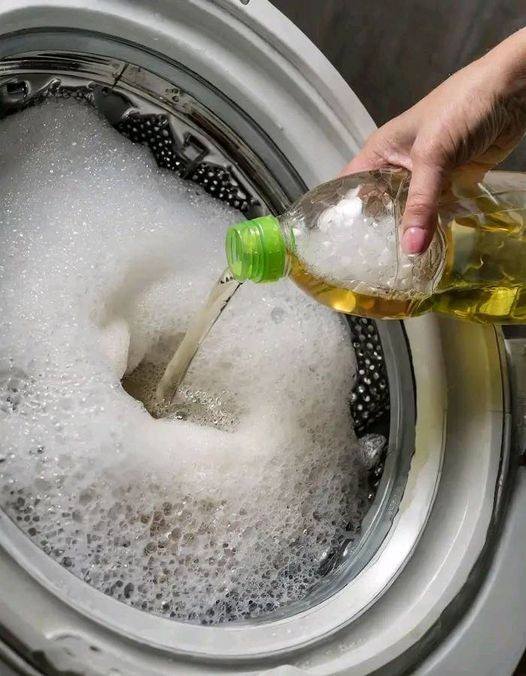
Add 1/2 cup of white distilled vinegar to the rinse cycle when washing workout clothes to keep them fresh and odor-free. Avoid fabric softeners, which can clog synthetic fibers and reduce moisture-wicking performance.
For heavily soiled activewear, consider a second rinse cycle with vinegar only to ensure deep odor elimination.
10. Vinegar for baby clothes
Vinegar provides a gentle, chemical-free way to soften and deodorize baby clothes and cloth diapers. Its natural acidity removes detergent residues that can irritate sensitive skin without introducing artificial fragrances or dyes.
Use 1/4 to 1/2 cup of white distilled vinegar in the rinse cycle for baby laundry. This helps maintain softness and freshness while minimizing exposure to harsh chemicals.
Always ensure thorough rinsing, especially for baby items, to avoid any residual vinegar scent.
When to See a Doctor
While vinegar is safe and effective for laundry use, persistent skin irritation or allergic reactions after wearing laundered clothes should prompt consultation with a healthcare professional. Skin sensitivities may require evaluation and tailored laundry product recommendations.
Conclusion
White distilled vinegar is an affordable, eco-friendly solution to multiple laundry challenges—from softening towels and brightening whites to neutralizing odors and maintaining your washing machine. Using the correct measurements and timing vinegar addition during the rinse cycle maximizes benefits while protecting fabrics and machine components.
Incorporating vinegar into your laundry routine reduces reliance on chemical softeners and harsh bleaches, promoting cleaner, fresher clothes with fewer irritants. For households seeking natural, effective fabric care, vinegar is a simple game-changer.
Disclaimer: This article provides general information and is not a substitute for professional medical advice. For any health-related concerns, please consult your healthcare provider.