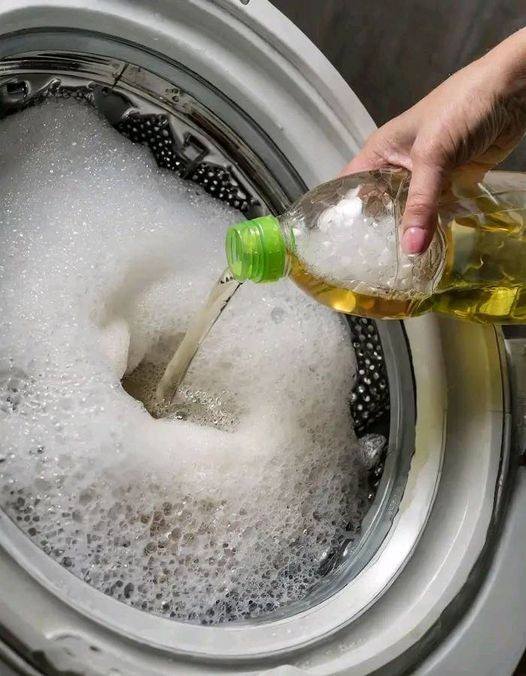
It is important to measure vinegar accurately rather than pouring it directly from the bottle. Using a measuring cup ensures consistent results and prevents overuse, which can lead to lingering vinegar odors if not rinsed properly.
Use white distilled vinegar only; avoid apple cider or other flavored vinegars.
Measure 1/2 cup for standard loads, 1 cup for large or extra-smelly laundry.
Do not exceed 1 cup per load regularly to protect fabric integrity.
2. Adding vinegar to rinse cycle
The optimal point to add vinegar is during the rinse cycle, as this allows vinegar to remove detergent residue and soften fabrics without interfering with cleaning agents. Most washing machines have a fabric softener compartment specifically designed for this purpose. Pour the measured vinegar directly into this compartment at the start of the wash.
If your washing machine lacks a fabric softener dispenser, wait until the rinse cycle begins and then add the vinegar directly into the drum. This ensures the vinegar interacts with the rinse water and fabrics effectively.
Adding vinegar during the rinse cycle also minimizes the risk of vinegar neutralizing detergent action in the wash cycle and maximizes softening and odor-neutralizing effects.
Pour measured vinegar into fabric softener compartment before starting cycle.
If no compartment, add vinegar manually at start of rinse cycle.
For stubborn odors or buildup, consider a second rinse cycle with vinegar alone.
Continue Reading on the Next Page
3. Softening towels naturally
Towels often become stiff and rough after repeated washing due to detergent buildup and mineral deposits from hard water. Instead of using commercial fabric softeners, which coat fibers and reduce absorbency, vinegar offers a natural alternative that lifts away residues without leaving a film.
Adding vinegar to the rinse cycle regularly helps towels feel softer and fluffier by breaking down soap scum and mineral deposits. This method preserves towel absorbency and extends their usable life.
To maximize softness, use 1/2 cup to 1 cup of vinegar per load when washing towels. Avoid using fabric softeners alongside vinegar, as they counteract each other.
4. Brightening white clothes
White clothing can dull over time from detergent residue and environmental factors. Vinegar gently dissolves residues that cause dinginess, restoring brightness without harsh chemicals or bleach.
Incorporate 1/2 cup of vinegar into the rinse cycle when washing whites to help maintain their crisp appearance. Vinegar’s mild acidity also helps prevent yellowing and graying by balancing pH and removing mineral buildup.
This approach is safer for delicate whites than repeated bleach use, which can degrade fabric fibers and cause yellowing if not used properly.