6. Peeling environment
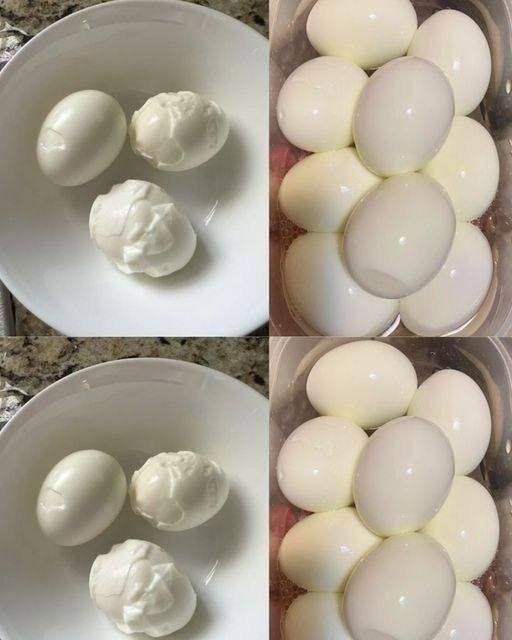
The environment where you peel your eggs can influence the ease of shell removal. Peeling eggs over a bowl of water or under running water helps to wash away small shell fragments and reduces the adhesion between membrane and white.
Some cooks prefer peeling eggs submerged in water, as it minimizes mess and helps the shell slide off more smoothly. Additionally, a slightly humid environment can prevent the egg whites from drying out during peeling.
Peel eggs in a shallow bowl of water or under a gentle stream of cold water.
Keep peeled eggs moist if you are not serving them immediately.
Avoid dry, warm areas that can dry out egg whites and make peeling harder.
7. Water hardness impact
The hardness of your cooking water, meaning its mineral content, can affect how eggshells behave during boiling. Hard water contains higher levels of calcium and magnesium, which can strengthen the shell and potentially make peeling more difficult.
Using filtered or softened water for boiling eggs can sometimes improve peelability by slightly loosening the bond between the shell and membrane.
If your tap water is very hard, consider using filtered water for boiling.
Note that water hardness varies by region and may influence results.
Experiment with water type to find what works best for your eggs.
8. Storage before peeling
How you store your hard-boiled eggs before peeling matters as well. Eggs left in the shell and refrigerated maintain moisture and peel more easily than those peeled immediately and stored.
Keep unpeeled hard-boiled eggs in the refrigerator in a covered container to prevent odors from affecting their taste. Peeling eggs too far in advance can cause the egg white to dry out and stick to the shell membrane.
Store hard-boiled eggs unpeeled in the fridge for up to one week.
Peel eggs just before eating for best texture and ease.
If peeled early, keep eggs moist and covered in water or wrapped tightly.
Continue Reading
Continued on next page: