1. Egg freshness and age
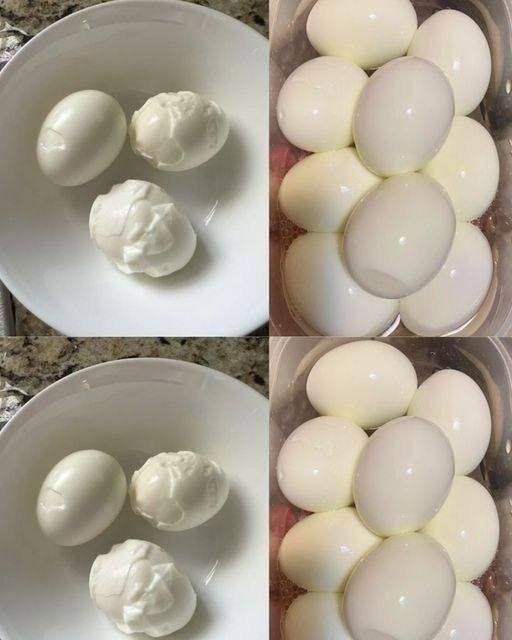
The age of your eggs plays a surprisingly significant role in how easily they peel after boiling. Fresh eggs tend to have a lower pH level in the albumen (egg white), which causes the inner membrane to adhere tightly to the shell. This makes peeling fresh eggs more challenging, often resulting in torn whites and a messy appearance.
On the other hand, eggs that are about one to two weeks old have a higher pH level, which weakens the bond between the membrane and the shell, making them much easier to peel. If you buy eggs fresh, try aging them in your refrigerator for a week before boiling for best peeling results.
Store eggs in the refrigerator to slow down aging but allow at least 7–10 days for optimal peeling.
Mark the purchase date on the carton to keep track of egg age.
Use very fresh eggs for poaching or frying, but older eggs for hard boiling.
2. Boiling time precision
Precise control over boiling time is critical to achieving the ideal hard-boiled egg texture and peelability. Overcooked eggs develop a greenish ring around the yolk due to iron and sulfur reactions, which also tend to stick more firmly to the shell membrane.
For perfectly hard-boiled eggs, start timing once the water reaches a full boil and maintain a gentle boil rather than a rolling boil, which can cause cracking. Typically, 10 to 12 minutes of boiling is sufficient:
10 minutes for a firm but tender yolk.
12 minutes for a fully set yolk without overcooking.
Use a timer and avoid guesswork. Once done, immediately proceed to an ice water shock (covered in the next section) to halt cooking and further improve peelability.
Continue Reading
Continued on next page: