A: You likely salted them too early before cooking, or you used eggs that are past their prime. Always salt at the last second, just before they hit the pan.
Q: Can I add milk or cream?
A: Yes! Adding a small splash (1 tbsp per 2 eggs) of cream, whole milk, or even sour cream can make them extra rich and creamy. Add it during the initial whisking.
Q: What’s the difference between American and French-style scrambled eggs?
A: This method produces a classic, soft-curd American style. French-style (œufs brouillés) involves continuous, very low-heat stirring for an even more custard-like, almost spreadable texture—it’s more advanced but divine.
Q: How do I make scrambled eggs for a crowd?
A: Cook in batches. Do not overcrowd the pan. Keeping cooked eggs warm in a low oven (200°F/95°C) on a heatproof platter is fine, but they are truly best served immediately.
Q: My eggs always stick!
A: Ensure you’re using enough butter and that your pan is properly seasoned or of good non-stick quality. Starting in a cold pan with cold butter helps immensely.
The Golden Rule: Patience Over Power
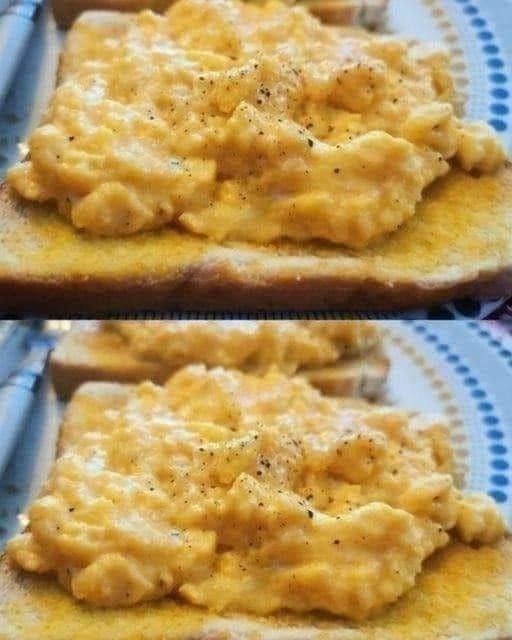
Perfect scrambled eggs are a lesson in culinary restraint. Low heat, gentle folds, and perfect timing are your true ingredients. Mastering this 5-minute ritual will transform your morning routine and elevate a simple dish into a daily luxury.
Remember the mantra: Cold start, low heat, fold don’t stir, and pull early. Embrace this method, and you will never again serve—or settle for—dry, bland scrambled eggs. Now, go forth and cook with confidence. Your perfect breakfast awaits.