**When to Use This Herbicide **(And When to Choose Alternatives)
✅ Good Uses
Scenario
Why It Works
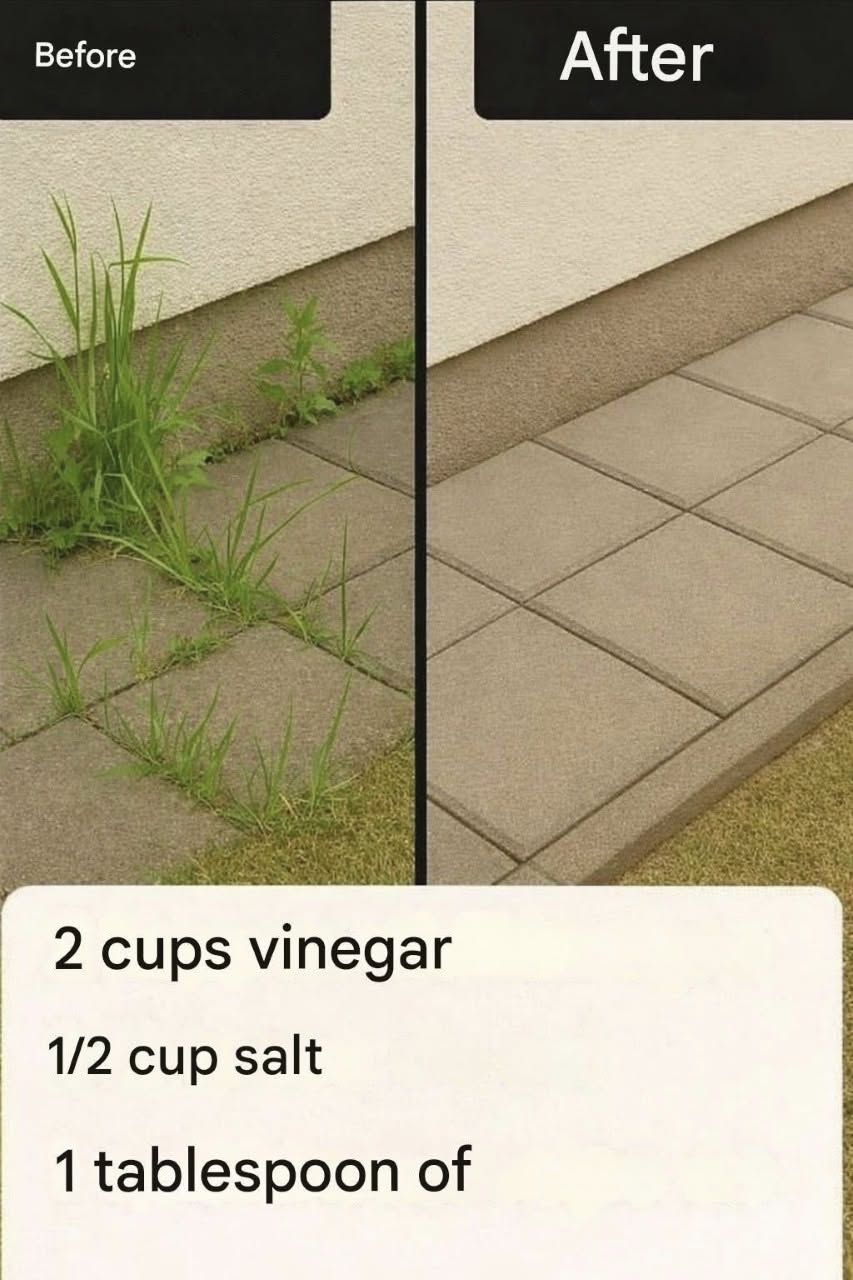
Cracks in driveways or sidewalks
Non-planting area; salt won’t harm future plantings
Gravel paths or patios
Minimal soil contact; easy to target individual weeds
Young annual weeds
Thin leaves absorb solution effectively
Spot treatment of isolated weeds
Precise application minimizes collateral damage
Budget-conscious weed control
Inexpensive ingredients; effective for small areas
❌ Avoid Using When…
Scenario
Better Alternative
Garden beds with flowers/vegetables
Hand-pulling, mulching, or corn gluten meal (pre-emergent)
Lawns or near grass
Selective herbicides labeled for lawns; manual removal
Near trees or shrubs
Salt can damage roots; use mulch or manual removal
Perennial or deep-rooted weeds
Dig out roots; use targeted systemic herbicides if necessary
Large infestations
Consider professional evaluation or integrated weed management
Organic-certified gardens
Salt is not permitted in organic production; use approved methods
🌱 Compassionate reminder: Weeds are often symptoms, not problems. They thrive where soil is disturbed, bare, or unhealthy. Improving soil health and planting dense ground covers can reduce weed pressure long-term.
🌿 Eco-Friendly Alternatives to Consider
If you’re concerned about salt persistence or non-selectivity, these options may better suit your needs.
**For Hard Surfaces **(Driveways, Patios)
Method
How It Works
Pros & Cons
Boiling water
Scalds plant tissues on contact
✅ Chemical-free, immediate; ❌ May require repeat applications; risk of burns
**Flame weeder **(propane torch)
Heat ruptures plant cells
✅ Fast, no chemicals; ❌ Fire risk; not for dry areas; requires caution
**Manual removal **(hoe, scraper)
Physically removes weeds
✅ Precise, no residues; ❌ Labor-intensive; may miss roots
Corn gluten meal
Pre-emergent that inhibits seed germination
✅ Organic, feeds soil; ❌ Only prevents new weeds; timing-sensitive
For Garden Beds
Method
How It Works
Pros & Cons
**Mulching **(wood chips, straw)
Blocks light, suppresses weed seeds
✅ Improves soil, retains moisture; ❌ Initial cost; needs replenishing
**Hand-pulling **(after rain)
Removes weeds with roots
✅ Precise, no chemicals; ❌ Time-consuming; may miss deep roots
Vinegar-only spot treatment
Acetic acid desiccates foliage
✅ Breaks down quickly; ❌ Less effective than salt mix; non-selective
Soil solarization
Clear plastic traps heat to kill weeds/seeds
✅ Chemical-free, effective; ❌ Takes weeks; not for established gardens
💡 Key insight: The most sustainable weed management combines multiple strategies: prevention (mulch, dense planting), mechanical removal, and targeted treatments only when necessary.
❓ FAQs: Your Questions, Answered with Clarity
Q: Will this kill weeds permanently?
A: No. This mixture kills the foliage it touches but doesn’t always kill deep roots. Perennial weeds may regrow. Reapplication or root removal may be needed.
Q: Can I use apple cider vinegar instead of white vinegar?
A: Yes, but white vinegar typically has a more consistent acetic acid concentration. Apple cider vinegar may contain sugars that could feed microbes.
Q: How long does it take to work?
A: Wilting often appears within 2–24 hours on sunny days. Complete browning may take 2–3 days. Effectiveness depends on weed type, size, and weather.
Q: Will this harm my pets or wildlife?
A: Once dry, the residue is low-risk. However, keep pets away during application and until the area is completely dry. Avoid spraying near bird feeders or wildlife habitats.
Q: Can I use this on my lawn?
A: Not recommended. It’s non-selective and will kill grass. For lawn weeds, use selective herbicides labeled for turf or manual removal.
Q: Does the salt stay in the soil forever?
A: Salt doesn’t “disappear,” but it can leach away with heavy rain or irrigation over weeks to months. However, repeated applications can build up salt levels and harm future plantings.
Q: Can I add more salt to make it stronger?
A: Not advisable. Excess salt increases soil damage risk without significantly improving weed kill. Focus on thorough coverage instead.
**Q: Is horticultural vinegar **(20% acetic acid)
A: It’s more effective on tough weeds but requires serious precautions: goggles, gloves, long sleeves, and careful handling. It can cause severe eye/skin burns. Not recommended for casual DIY use.
Q: Will rain wash this away?
A: Yes. Apply when no rain is forecast for at least 24 hours. Rain shortly after application reduces effectiveness.
Q: Can I use this in my vegetable garden?
A: Strongly discouraged. Salt can persist in soil and harm future crops. Use manual removal, mulching, or approved organic methods instead.