5. Heart Health
The combination of potassium, fiber, and antioxidants makes sweet potatoes a wonderful friend to your cardiovascular system.
The Science: Potassium helps lower blood pressure by gently counteracting the effects of sodium. Fiber helps lower LDL (“bad”) cholesterol. Meanwhile, antioxidants reduce systemic inflammation, which is a primary driver of heart disease.
6. Weight Management (When Prepared Mindfully)
Sweet potatoes are deeply satiating. They keep you full and content.
The Science: The combination of fiber, water, and complex carbohydrates creates a feeling of deep, lasting fullness. When you eat a sweet potato, you are giving your body the signal that it is nourished, which naturally curbs the urge to snack on empty, processed foods later in the day. They satisfy the soul’s craving for something warm and comforting without the empty calories of heavy desserts.
7. Brain Health and Anti-Aging
As we get older, protecting our minds becomes just as important as protecting our bodies.
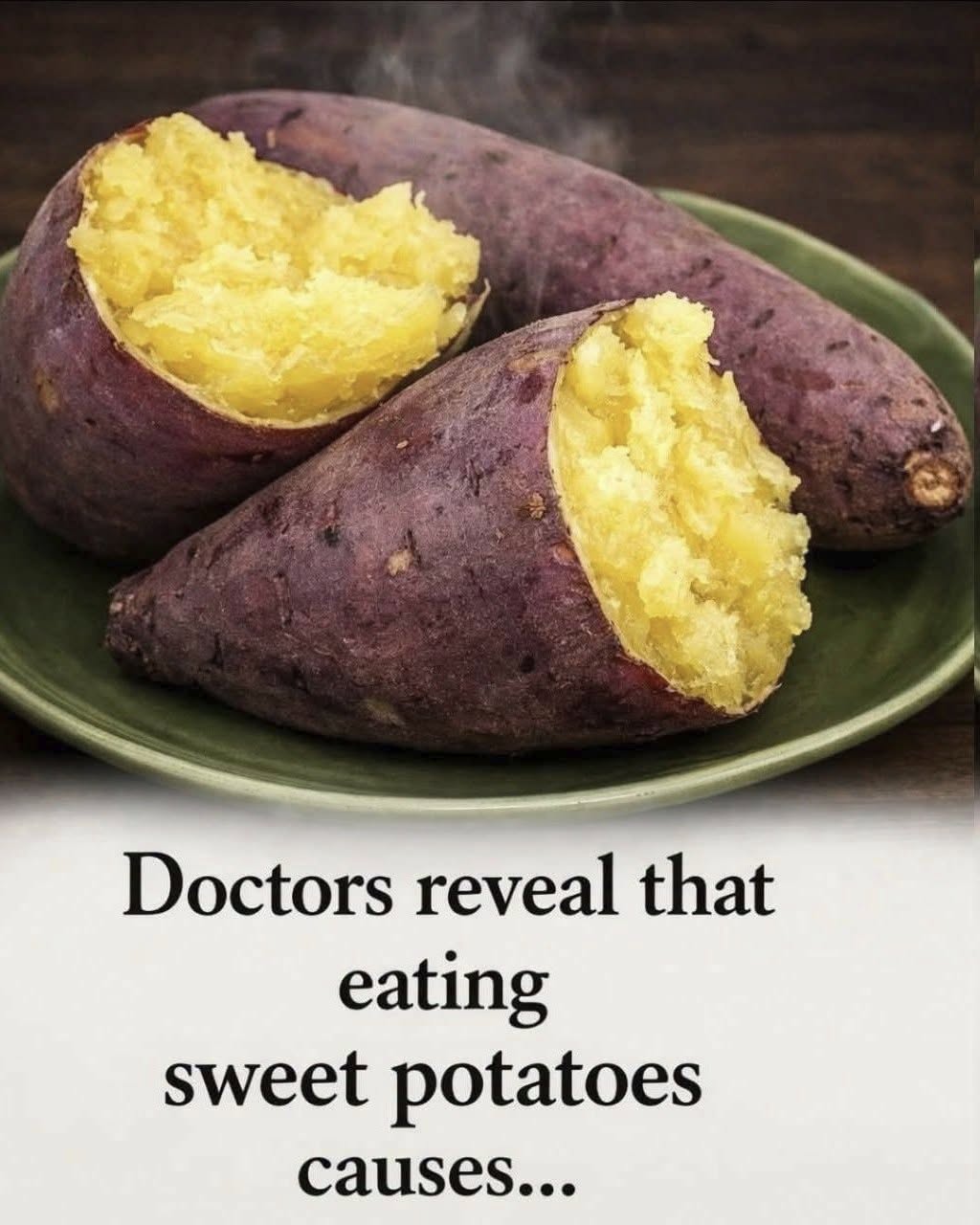
The Science: Purple sweet potatoes, in particular, are packed with anthocyanins (the same antioxidant found in blueberries). Research shows that these compounds cross the blood-brain barrier to protect brain cells from oxidative stress, supporting memory, focus, and cognitive longevity as we age.
 The Golden Rule: How You Cook Them Matters
Because sweet potatoes are so versatile, how you prepare them changes their impact on your body. Here is a gentle guide to cooking them mindfully.
Cooking Method
Glycemic Impact
Best Used For
Boiled or Steamed
Lowest (GI ~44)
Best for blood sugar control and keeping the glycemic load low.
Roasted or Baked
Moderate-Higher (GI ~70)
Best for deep, caramelized flavor. (Tip: Eat with a protein to balance it!)
Fried
Highest
Best reserved as a very occasional, indulgent treat.
 Pro-Tip for Gut Health: If you want to maximize the prebiotic benefits for your gut, boil or bake your sweet potatoes, let them cool completely in the refrigerator, and eat them cold or gently reheated. This process increases the resistant starch significantly!
 Frequently Asked Questions
Q: Are white sweet potatoes as healthy as the orange ones?
A: Yes! While orange sweet potatoes are famous for their beta-carotene (Vitamin A), white sweet potatoes are still incredibly nutritious. They have slightly more starch and a different profile of antioxidants, but they are still an excellent source of fiber, potassium, and complex carbohydrates.
Q: Do I really need to eat the skin?
A: If you can, yes! The skin of the sweet potato holds a massive concentration of its fiber, potassium, and antioxidants. Scrub them well, rub them with a tiny bit of olive oil, and roast them right in their jackets. It’s the simplest way to get the most out of your food.
Q: Are “yams” and sweet potatoes the same thing?
A: Technically, no. True yams are a completely different tuber native to Africa and Asia, and they can grow to be massive! However, in US grocery stores, the soft, orange-fleshed sweet potatoes are often mistakenly labeled as “yams.” For the nutritional benefits we’ve discussed, you are eating a sweet potato, and it is wonderfully good for you.
Q: Can I eat sweet potatoes every day?
A: Absolutely! As long as you are varying your diet and eating a rainbow of other vegetables, fruits, and proteins, enjoying a sweet potato daily is a beautiful, healthy habit. Just be mindful of what you put on them—loading them with heavy marshmallows and brown sugar turns a health food into a dessert!
 A Compassionate Closing Thought
If you are reading this and thinking about the times you’ve denied yourself the foods you love because of a diet trend, or if you’ve been feeling tired and sluggish despite “eating all the right things”—please take a slow, deep breath and give yourself some grace.