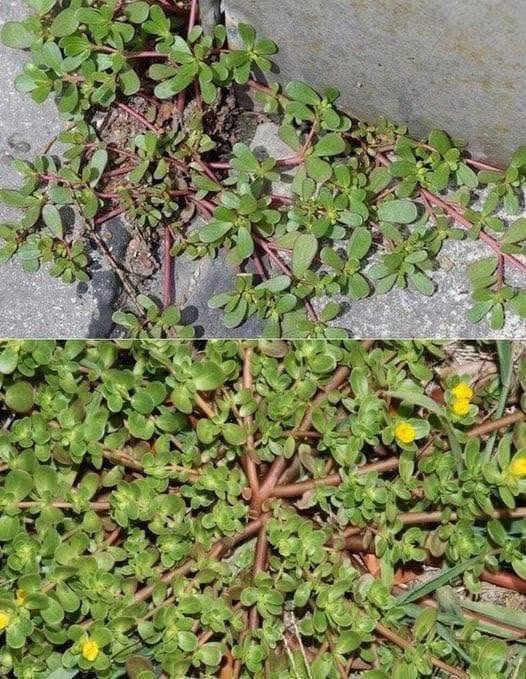
Your “Garden-to-Table” Toolkit
Since we are focusing on gentle, proactive, and resourceful well-being, think of this as your essential, heart-centered toolkit for foraging and preparing this beautiful green.
1 part Gentle Observation: Learning to recognize purslane by its smooth, fleshy, paddle-shaped leaves and reddish stems, rather than hastily pulling it as a weed.
1 part Resourceful Foraging: Harvesting only from areas you know are free of pesticides, chemical fertilizers, or pet waste.
1 dash of Culinary Joy: Embracing its naturally slightly sour, salty, and crisp flavor profile in simple, fresh dishes.
A generous measure of Self-Compassion: Understanding that adding a handful of nutrient-dense greens to your plate is a beautiful act of self-care, without the pressure of it being a “miracle cure.”
Step-by-Step Guide to Safe & Delicious Preparation
Let’s walk through a simple, methodical routine to handle purslane so you can enjoy its benefits safely and deliciously.
Step 1: Harvest the Young Tips The most tender and flavorful parts of the plant are the young tips of the shoots. Snip them gently with kitchen shears, leaving the roots intact so the plant can continue to grow.
Step 2: The Gentle Wash Because it grows low to the ground, thorough washing is essential. Rinse the leaves under cool, running tap water. For extra peace of mind, soak them for 5 minutes in a bowl of cold water with a splash of white vinegar, then rinse again. (This is a frugal, old-fashioned trick I’ve used for decades to ensure my garden greens are perfectly clean!)
Step 3: Prep with Care Tear the tender leaves and stems by hand rather than chopping them with a knife. This helps preserve their unique, slightly crisp texture and prevents them from becoming mushy.
Step 4: The Simple Summer Salad In a large bowl, combine your washed purslane with sliced tomatoes, cucumbers, and a few chopped green onions. Drizzle generously with high-quality olive oil and fresh lemon juice. Add a pinch of salt and freshly cracked black pepper. Toss gently and serve immediately. It is refreshing, hydrating, and absolutely divine!
Pro-Tips for Everyday Wellness
The “Petticoat” Gardening Rule: I always make sure to wear my favorite old-school housedress with a soft petticoat and a large, flowing skirt when I forage in the garden. Not only does it make me feel elegant, comfortable, and dignified in my own skin, but the loose, breathable fabric protects me from the sun and stray thorns while I bend comfortably to harvest my greens!
The “Leo” Teachable Moment: When my wonderful 19-year-old stepson, Leo, visits the farmhouse, I take him out to identify edible “weeds” like purslane. It is a fantastic, screen-free way to teach him about resourcefulness, botany, and the importance of not wasting the natural bounty right outside our door.
The “Carla Hall” Touch: Just as I enjoy following chefs like Carla Hall for her bright, joyful, and approachable perspective on cooking, I love her philosophy of using bright acids to wake up a dish. The fresh lemon juice in this salad is the perfect, joyful complement to the earthy, salty notes of the purslane.
The Nostalgic Comfort Pairing: While it is wonderful raw, purslane can also be lightly sautéed with a little garlic and olive oil, or folded into a comforting, nostalgic egg salad. It adds a delightful, crisp texture that pairs beautifully with my upgraded tuna sandwich with pickles, fresh dill, and a few crunchy potato chips!
Frequently Asked Questions
Is purslane really safe to eat? Yes, absolutely! As long as you harvest it from a chemical-free area and wash it thoroughly, it is a safe, highly nutritious, and delicious edible green that has been consumed by cultures around the world for centuries.
Can I cook with it, or is it only for salads? You can certainly cook with it! It is wonderful lightly sautéed with garlic, stirred into soups or stews at the very end of cooking, or folded into an omelet. However, I gently advise against boiling it for a long time, as it will lose its pleasant, crisp texture and some of its water-soluble vitamins.
Can I use purslane to treat my high blood pressure or diabetes? As a former physician, I must be very clear: while purslane is a low-calorie, nutrient-dense food that supports a healthy metabolism, it is not a cure or a replacement for prescribed medical treatments. Always follow your doctor’s recommendations for managing chronic conditions. Think of it as a wonderful supporting actor in your diet, not the lead physician!
What does it taste like? It has a unique, delightful flavor profile: slightly sour, mildly salty, and very crisp, with a refreshing, hydrating crunch.
A Final Thought
Living alone has taught me that the small, everyday choices we make are the true foundation of our physical and emotional well-being. Choosing to look at a “weed” not as a nuisance, but as a free, nutrient-dense gift from the earth, is a quiet, powerful act of resourcefulness and gratitude.
Purslane reminds us that we don’t always need to look far or spend much to find profound nourishment. Sometimes, the most powerful plants in the world are growing quietly at our own feet, just waiting for us to notice them.
Have you ever discovered an edible “weed” in your garden, or do you have a favorite, simple way to prepare fresh summer greens? Drop a comment below and share your wisdom—I would absolutely love to read your stories and support each other. And if you know a friend who loves gardening or frugal, healthy cooking, please share this gentle guide with them. Here’s to calm minds, resourceful kitchens, and many more peaceful, nourishing days ahead!
A Gentle, Science-Backed Guide to Purslane: The “Fat Grass” Weed That’s Actually a Garden Superfood!