10. Quick-Cooking Greens
Spinach, arugula, Swiss chard, and other tender greens don’t need hours of cooking.
Long cooking can turn them into dark, wilted, overcooked greens and can make them lose the fresh character you’re looking for.
What to do instead
Add tender greens toward the end of cooking—often just long enough for them to wilt.
Heartier greens such as kale and collard greens can tolerate longer cooking, although the recipe and desired texture still matter.
11. Ingredients That Need Browning
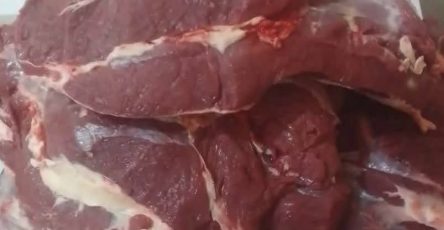
Technically, meat and vegetables can cook perfectly well in a slow cooker without browning first. But if you’re expecting a beautifully browned, deeply savory result, simply dropping everything into the slow cooker won’t give you the same flavor.
Browning creates additional flavor through the Maillard reaction, something that doesn’t happen in the same way in a moist slow-cooker environment.
What to do instead
Brown beef, chicken, sausage, or vegetables in a skillet first when the recipe calls for it.
It’s one extra step, but that golden-brown crust can add a surprising amount of flavor.
And yes, I know—”but the whole point of a slow cooker is doing less work!” I hear you. 😂
But for certain recipes, those extra few minutes are absolutely worth it.
Ingredients That Are Perfect for a Slow Cooker
Now that we’ve talked about what to avoid, let’s give the slow cooker some credit!
It’s fantastic for foods that benefit from gentle, extended cooking, including:
Beef chuck and other tough cuts of beef
Pork shoulder
Chicken thighs
Dried beans that have been prepared according to safe cooking guidance
Lentils
Root vegetables
Stews
Soups
Chilis
Pulled pork
Braised dishes
7
How to Get Better Results From Your Slow Cooker
Don’t Overfill the Cooker
A slow cooker generally works best when filled according to the manufacturer’s recommended range. Overfilling can interfere with proper heating and cooking.
Don’t Keep Lifting the Lid
I know it’s tempting!
You want to peek. You want to smell it. You want to stir it.
But every time you remove the lid, heat escapes and cooking time can increase. Keep that lid closed unless the recipe specifically tells you to open it.
Layer Ingredients Thoughtfully
Dense vegetables such as potatoes and carrots generally do well toward the bottom, where they can receive plenty of heat.
Then add meat and other ingredients according to the recipe.
Follow Tested Recipes for Timing
Slow cookers vary, and ingredients vary even more. A recipe developed specifically for slow cooking will give you much better results than simply converting a stovetop recipe without adjusting liquid and cooking times.
What Should You Add at the End?
If you’re wondering which ingredients are best added later, here’s a handy cheat sheet:
Ingredient When to Add
Sour cream Near the end
Cream cheese Near the end
Fresh parsley Just before serving
Cilantro Just before serving
Spinach Final few minutes
Frozen peas Final few minutes
Shrimp Near the end
Cooked pasta Near the end
Cooked rice Near the end
Crispy bacon Just before serving
The exact timing depends on the recipe, but this is a useful starting point.
Frequently Asked Questions
Can I put raw meat in a slow cooker?
Yes. Slow cookers are designed to cook raw meat, provided you use appropriate quantities, cooking times, and temperatures and follow food-safety guidance.
The bigger concern is large pieces of frozen meat, which should generally be thawed safely before slow cooking.
Can I put frozen vegetables in a slow cooker?
It depends on the vegetable and recipe. Many frozen vegetables can be added successfully, but delicate vegetables may become mushy if cooked for several hours.
For best texture, add tender frozen vegetables closer to the end.
Can I put cream in a slow cooker?
You can use cream in slow-cooker recipes, but prolonged cooking can cause dairy to separate or curdle. Adding it near the end often produces a smoother result.
Why does my slow-cooker food taste watery?
Slow cookers retain a lot of moisture because there’s very little evaporation.
Using too much liquid can therefore produce a thinner sauce or stew than expected. Follow the recipe’s liquid measurements carefully.
Should I brown meat before slow cooking?
You don’t always have to, but browning can add a deeper, richer flavor and a more appealing color.
If you have a few extra minutes, it’s often a worthwhile step.
Can I cook pasta directly in a slow cooker?
Some recipes are specifically designed for this, but pasta generally shouldn’t be added at the beginning and left to cook for several hours.
For better texture, add pasta toward the end or cook it separately.
Can I leave a slow cooker unattended?
Slow cookers are designed for long cooking periods, but you should always follow your appliance manufacturer’s safety instructions and use the appliance on a suitable, stable surface.
Storage and Leftovers
Once your meal is cooked, don’t leave leftovers sitting at room temperature for an extended period.
Transfer leftovers into shallow containers and refrigerate them promptly according to standard food-safety practices.
Store leftovers in airtight containers and reheat them thoroughly before eating.
If a dish contains pasta, rice, seafood, or dairy, pay particular attention to proper cooling and refrigeration because texture and food safety can both become concerns.
A Simple Rule to Remember
Here’s the easiest way I remember all of this:
If an ingredient is delicate, crispy, fresh, creamy, or quick-cooking, it probably shouldn’t spend several hours in the slow cooker.
Add it later—or prepare it separately.
That’s the secret to getting the convenience of slow cooking without sacrificing texture or flavor.
More Slow-Cooker Recipes to Try
Once you know what not to put in your slow cooker, you can really make that trusty appliance work for you!
Try experimenting with:
Classic slow-cooker beef stew
Pulled pork sandwiches
Slow-cooker chicken and vegetables
Hearty bean chili
Slow-cooked beef tacos
Chicken tortilla soup
Slow-cooker pot roast
Creamy chicken added with dairy near the end
Final Thoughts
Slow cookers are wonderfully forgiving—but they’re not magic pots that make every ingredient better after eight hours.
The best slow-cooker meals are all about choosing ingredients that enjoy a long, gentle cook and saving delicate ingredients for later.
So the next time you’re throwing dinner into the slow cooker, pause before adding that handful of spinach, those shrimp, or the entire box of pasta.
A little timing can make a HUGE difference!
And once you get the hang of it, you’ll be amazed at how much better your slow-cooker meals turn out. Anything but boring!!
Did You Try This Guide?
I’d love to know which slow-cooker ingredient surprised you the most!
Leave a review, share your tips, and save this guide to Pinterest so you can come back to it the next time you’re planning a slow-cooker dinner. And if you have a slow-cooker mistake you’ve learned from the hard way…please tell me I’m not the only one! 😉
Nutritional Information
This article does not represent a single recipe, so nutritional values will vary depending on the ingredients and quantities used. For individual slow-cooker recipes, calculate nutrition based on the specific ingredients and serving sizes.
Quick takeaway: Choose sturdy ingredients for long cooking, add delicate ingredients near the end, and thaw frozen meat safely before slow cooking. Your future dinners will thank you!