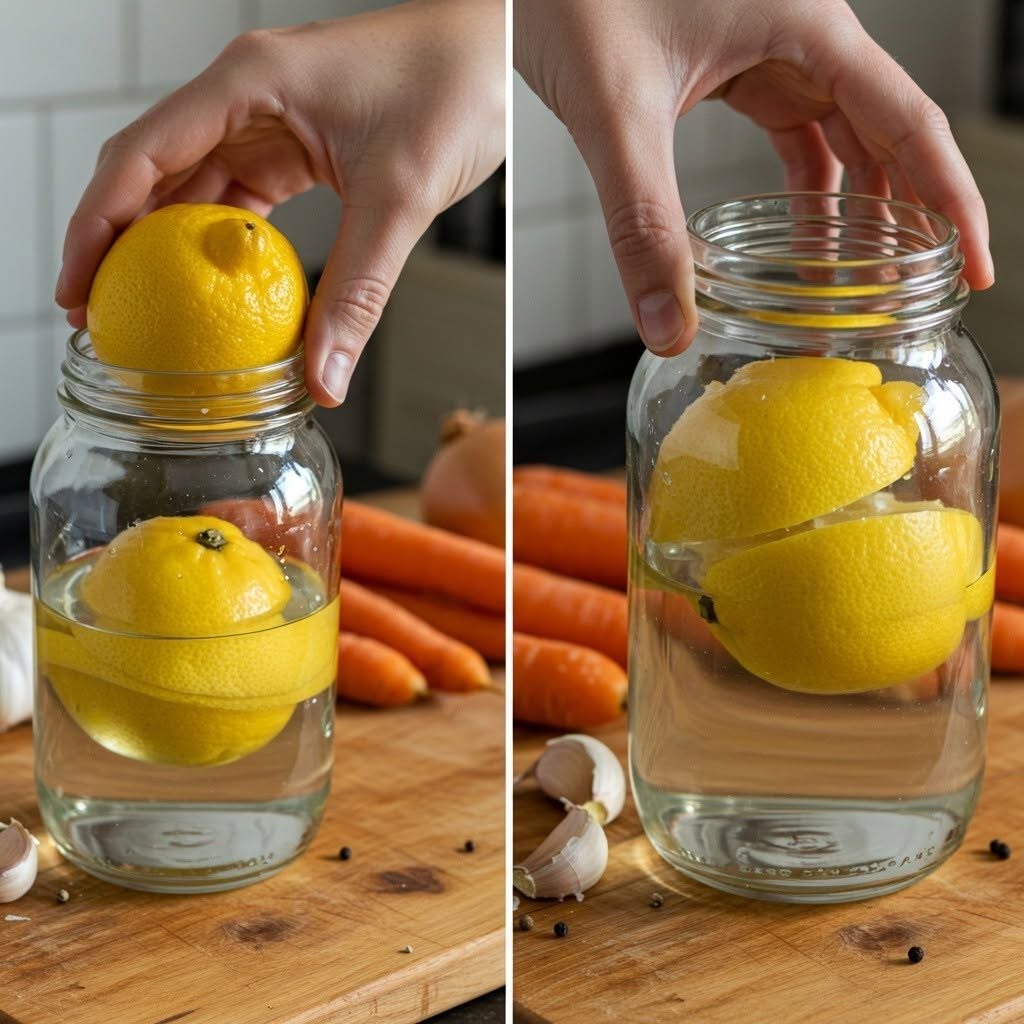
Lemons are one of those kitchen staples that seem to be useful for almost everything.
They add brightness to salads, flavor to sauces, freshen up drinks, enhance desserts, and bring a wonderful balance of acidity to countless recipes. In Mediterranean kitchens, lemons are especially valued for their versatility and distinctive flavor.
But there is one frustrating problem: fresh lemons do not last forever.
You may buy a bag of beautiful lemons with plans to use them throughout the week, only to discover that some have become dry, shriveled, soft, or moldy before you get the chance to use them.
That means wasted food and wasted money.
Fortunately, there is a simple traditional method that can help preserve lemons for much longer: salt preservation.
Preserved lemons are more than just a way to extend shelf life. They develop a deep, complex flavor that can transform everyday meals.Dictionaries & Encyclopedias
Once you learn this simple method, you may never look at a jar of preserved lemons the same way again.
Why Preserving Lemons Makes Sense
Fresh lemons contain a significant amount of moisture, which is one reason they eventually spoil.
Over time, they may:Water Supply & Treatment
Lose moisture
Become dry inside
Develop soft spots
Lose their fresh flavor
Preserving lemons helps slow this process.
Instead of throwing away lemons that you cannot use immediately, you can turn them into a flavorful ingredient that may last for an extended period when properly prepared and stored.
This is particularly useful if:
You buy lemons in bulk
You have a lemon tree
You find lemons on sale
You regularly cook Mediterranean, North African, or Middle Eastern dishes
Preservation is an old-fashioned way of reducing food waste and getting more value from ingredients you have already purchased.Gardening
What Are Preserved Lemons?
Preserved lemons are lemons that have been packed with salt and allowed to soften and develop flavor over time.
The salt helps draw moisture from the lemon while creating an environment that supports preservation.
As the lemons sit, the peel becomes softer and more tender.
The flavor also changes.
Fresh lemon peel can be sharp and bitter.
Preserved lemon peel becomes:
Soft
Intensely citrusySalads
Salty
Fragrant
Slightly tangy
In many recipes, the peel is the most valuable part.
What You Need
The basic method requires only a few ingredients:
Fresh lemons
Coarse salt
Extra lemon juiceBeverages
You will also need:
A clean glass jar with a tight-fitting lid
A clean knife
A clean cutting board
The simplicity is one of the reasons this method has been used for generations.
Step-by-Step Method
Step 1: Choose Good Lemons
Choose lemons that are:
Firm
Fresh
Free from moldFood
Free from significant bruising
Organic lemons are often preferred when you plan to eat the peel, but the most important consideration is to wash the lemons thoroughly.
If you are using lemons with waxed skin, cleaning them carefully is particularly important.
Step 2: Wash the Lemons Thoroughly
Wash the lemons under running water.
Scrub the skin gently to remove dirt and surface residue.
Dry them completely with a clean towel.
Moisture on the outside of the lemons or inside the jar can affect the preservation process.
Step 3: Cut the Lemons
There are several traditional ways to cut lemons for preservation.Dictionaries & Encyclopedias
One common method is to cut the lemon lengthwise into quarters while leaving the pieces attached at one end.
Another method is to cut the lemon into wedges.
The important thing is to open the lemon enough to add salt.
Step 4: Add Salt
Place a generous amount of salt inside the cuts.
Add additional salt to the bottom of the jar and between layers of lemons.
The salt is an essential part of the preservation process, so do not be overly sparing.
Step 5: Pack the Jar
Place the salted lemons tightly into the clean glass jar.Cooking & Recipes
Press them down gently to release some of their juice.
Continue adding lemons and salt until the jar is filled.
Leave a little space at the top.
Step 6: Add Lemon Juice
If the lemons do not release enough juice to cover themselves, add freshly squeezed lemon juice.
The lemons should remain submerged in liquid as much as possible.
This helps create the proper preservation environment.
Step 7: Seal and Store
Close the jar tightly.Gardening
Store it in a cool place away from direct sunlight.
Over the following days, the lemons will begin to soften and release more juice.
You may gently shake the jar occasionally to distribute the salt and liquid.
How Long Does It Take?
Preserved lemons usually need time to develop their best flavor.
The exact timing depends on the method, temperature, and size of the lemon pieces.
Many traditional recipes allow several weeks for the lemons to soften and mature.
The longer they sit, the more tender and flavorful the peel becomes.
Patience is part of the process.Lemon Juice
How to Use Preserved Lemons
Once ready, preserved lemons can be used in countless ways.
Moroccan Tagines
Preserved lemons are a classic ingredient in many Moroccan dishes.
They pair especially well with:
Chicken
Olives
Onions
Garlic
Ginger
Spices
The salty citrus flavor can transform a simple chicken dish.Water Supply & Treatment
Salads
Finely chop preserved lemon peel and add it to salads.
It works well with:
Tomatoes
Cucumbers
Olives
Fresh herbs
Chickpeas
A small amount can add a surprising amount of flavor.Dictionaries & Encyclopedias
Fish and Seafood
Preserved lemon pairs beautifully with fish.
Add a small amount to:
Grilled fish
Baked fish
Seafood stews
Marinades
Sauces and Dressings
Chopped preserved lemon can add complexity to salad dressings and sauces.Gardening
Combine it with:
Olive oil
Garlic
Herbs
Vinegar
Yogurt
Rice and Grains
Mix a small amount into:
Rice
Couscous
Quinoa
Bulgur
The citrus flavor adds brightness to otherwise simple dishes.Cooking & Recipes
Do You Eat the Whole Lemon?
In many traditional preparations, the peel is the most important part.
The flesh may be very salty and soft, while the peel becomes tender and intensely flavorful.
You can remove seeds before chopping.
Use small amounts at first because preserved lemons can be quite salty.
How Much Should You Use?
A little preserved lemon can go a long way.
Start with a small amount and taste your dish before adding more salt.
Because the lemons are preserved with salt, you may need to reduce the amount of additional salt in your recipe.Fruits & Vegetables
How Preservation Helps Reduce Food Waste
Food waste is a major household expense.
Many people throw away lemons simply because they cannot use them quickly enough.
Preserving them gives you another option.
Instead of:
Buying lemons
Forgetting about them
Watching them deteriorate
Throwing them awaySalads
You can:
Buy lemons when they are affordable
Preserve them before they spoil
Store them for future meals
Add flavor to recipes over time
This can help you get more value from your grocery budget.
Important Food Safety Considerations
Preservation should always be done carefully.
Use:
Clean jarsCooking & Recipes
Clean utensils
Fresh lemons
Proper storage
Always inspect preserved lemons before using them.
If you notice:
Fuzzy mold
A foul odor
Unusual colors
Signs of spoilage
Discard the product.Gardening
When in doubt, it is safer not to consume it.
Properly preserved foods should be prepared using a reliable method and stored appropriately.
A Traditional Ingredient With Modern Benefits
Preserved lemons are a perfect example of how traditional food practices can still be useful today.
Before modern refrigeration and food preservation technology, people developed creative ways to extend the life of seasonal ingredients.
These methods helped families:
Reduce wasteFood
Save money
Preserve seasonal produce
Create flavorful ingredients
Today, preserving lemons can provide the same practical benefits while also adding a delicious ingredient to your kitchen.
Tips for Better Results
Use Fresh Lemons
The fresher the lemons are when you preserve them, the better the final result is likely to be.
Keep Everything Clean
Clean equipment helps reduce the risk of contamination.Dictionaries & Encyclopedias
Be Patient
The flavor improves with time.
Use a Glass Jar
Glass is easy to clean and does not absorb flavors as easily as some other materials.
Keep the Lemons Covered
Try to keep the lemons surrounded by their salty lemon liquid.
Final Thoughts
Lemons may be simple fruits, but their culinary value is enormous.
They brighten dishes, balance rich flavors, enhance drinks, and bring freshness to both sweet and savory recipes.Cooking & Recipes
Unfortunately, fresh lemons can spoil before we have time to use them.
Preserving lemons with salt offers a simple, traditional way to reduce waste and save money while creating an ingredient with a completely different flavor profile.
The result is tender, intensely flavored lemon that can be used in salads, tagines, sauces, rice dishes, seafood, and countless other meals.
So the next time you find yourself with more lemons than you can use, don’t automatically let them go to waste.
With a clean jar, salt, fresh lemon juice, and a little patience, you can turn a simple kitchen staple into a long-lasting ingredient worth keeping on hand.